Have you ever found yourself wondering if you truly deserve your success — or worrying that one day, someone will “find out” you’re not as capable as they think?
If so, you’re not alone. Many of you will already know this term as: Imposter Syndrome and we seem to be hearing more and more about it of late. However, this is not a new phenomenon.
Coined in 1978 by psychologists Pauline Clance and Suzanne Imes (in their paper entitled The Original Imposter Phenomenon Study) the term describes the experience of believing you’re less competent than others perceive you to be — despite clear evidence of your accomplishments.
Imposter Syndrome shows up in many ways from striving for perfection, fearing failure, putting your achievements down to luck and avoiding leadership roles for fear of being found out. Just some of the ways Imposter Syndrome can manifest itself in the workplace.
If this sounds familiar, you’re in good company as many high achieving people (think of Michelle Obama or Emma Watson both of whom have spoken publicly of how they have experienced the feelings of Imposter Syndrome) seems to be suffering from this “syndrome” and while anyone can experience imposter syndrome, research shows it disproportionately affects women.
While it’s helpful to understand how Imposter Syndrome affects individuals, feminist writers have challenged the very concept itself — arguing that it often individualises what is, in fact, a systemic issue.
The term “imposter syndrome” implies that the problem lies within the individual — that women need to “fix” their confidence. This framing ignores deeper structural forces like sexism, racism, classism, and exclusionary workplace cultures that create those feelings in the first place.
In other words, it’s not just that women feel like impostors — it’s that they’re made to feel like impostors in spaces historically dominated by men.
Authors Ruchika Tulshyan and Jodi-Ann Burey wrote in their 2021 Harvard Business Review article:
“Imposter syndrome directs our view toward fixing women at work instead of fixing the places where women work. We need to think then that labelling these feelings a “syndrome” risks pathologizing what is, at its core, a valid emotional reaction to inequality”.
Many “solutions” to imposter syndrome focus on personal change — confidence workshops, self-help books, or mentoring. I think that while these can be useful, and should be available we also need to keep our focus on organisational culture and institutional bias.
In summary I think that Imposter feelings are real and valid – they exist and we should support women in finding strategies to overcome these feelings. However, feelings of being an Imposter don’t exist in a vacuum. They arise in systems that are predicated on inequality and exclusion. We must strive then to demand workplaces and cultures that trust, value and include all.
The recent report published by the CBI and USW (From Aspiration to Action: Women’s Leadership Pathways in Wales) suggests that “Aspiring and emerging leaders in Wales face barriers rooted as much in culture as in structure. The “invisible rules” of leadership remain powerful”
Tackling this is not only the “right thing” to do but economically it is the only way forward – let’s not make “confidence costs extra”
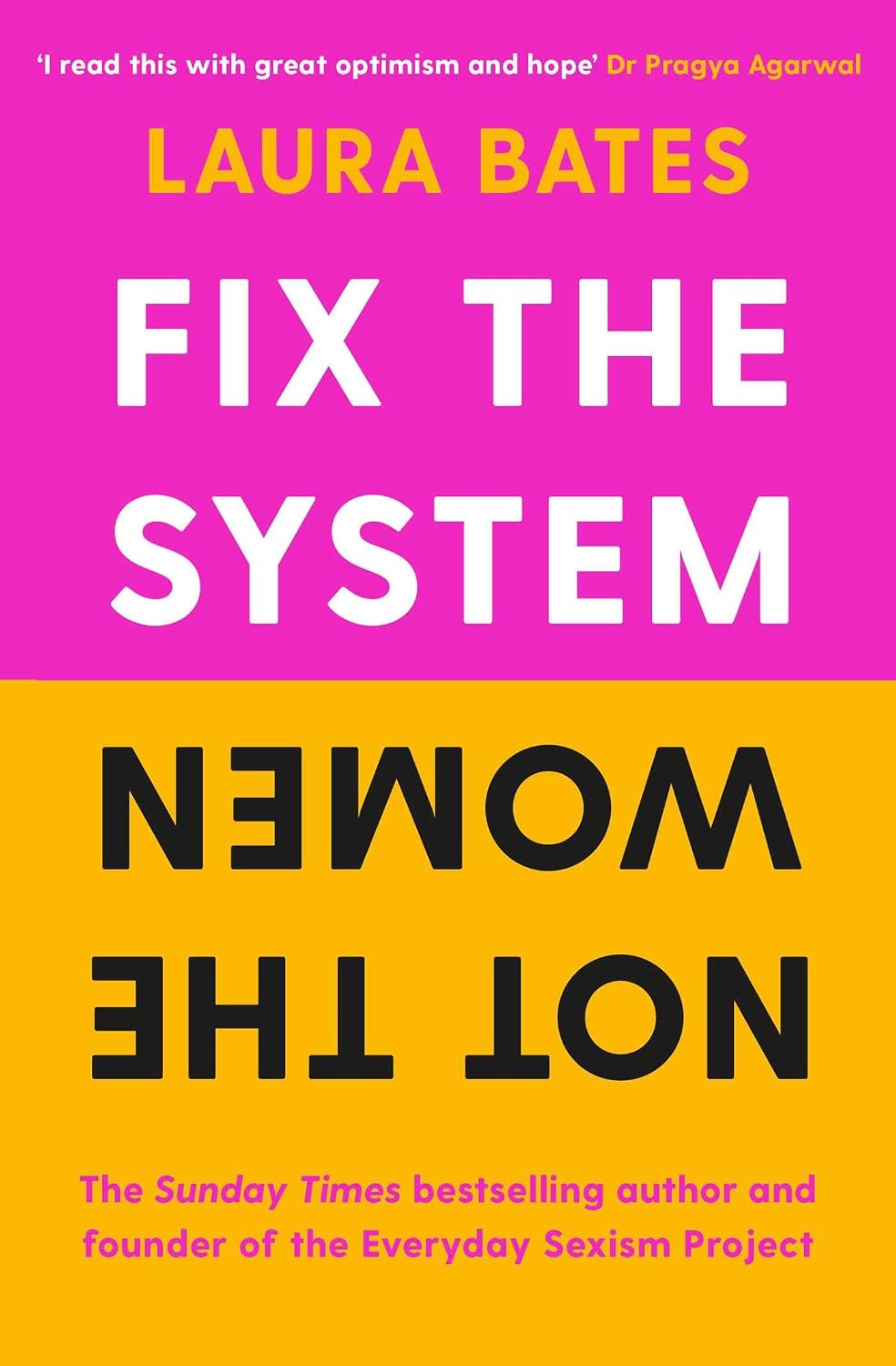
A good read that maybe addresses some issues around culture “Fix the System not the Women” by Laura Bates